Signs It’s Time to Reseal Your Pavers
Noticing signs it’s time to reseal your pavers can help protect and maintain their appearance, and local contractors can provide expert sealing services to restore their look.
If your pavers are starting to show signs of wear, it might be time to consider resealing them. Property owners in the area often notice issues like fading color, stubborn stains, or a surface that feels rough or uneven underfoot. These indicators can suggest that the protective sealant has diminished, leaving the pavers more vulnerable to damage from weather, foot traffic, or spills. Recognizing these signs early can help preserve the appearance and integrity of outdoor surfaces, making it a practical step for maintaining a beautiful and functional property.
Local contractors who specialize in paver resealing can assess the condition of your surfaces and recommend the best course of action. They understand the specific needs of pavers in the area and can provide the necessary services to restore their look and durability. Whether it’s a routine refresh or addressing specific issues, connecting with experienced service providers ensures that pavers are properly resealed, helping to extend their lifespan and keep outdoor spaces looking their best. Keep reading to learn more about the key signs that indicate it’s time to reseal your pavers.
- when paver surfaces show signs of wear such as fading, staining, or surface erosion, local contractors recommend resealing to restore appearance and protection. - if cracks or loose pavers are evident, service providers often advise resealing as part of a repair and maintenance plan. - after cleaning or power washing, local pros suggest resealing to lock in the fresh look and prevent future damage. - when water no longer beads on the paver surface or absorption increases, service providers see resealing as a way to improve water resistance. - in areas with frequent foot or vehicle traffic, local contractors recommend resealing to maintain durability and prevent surface deterioration.
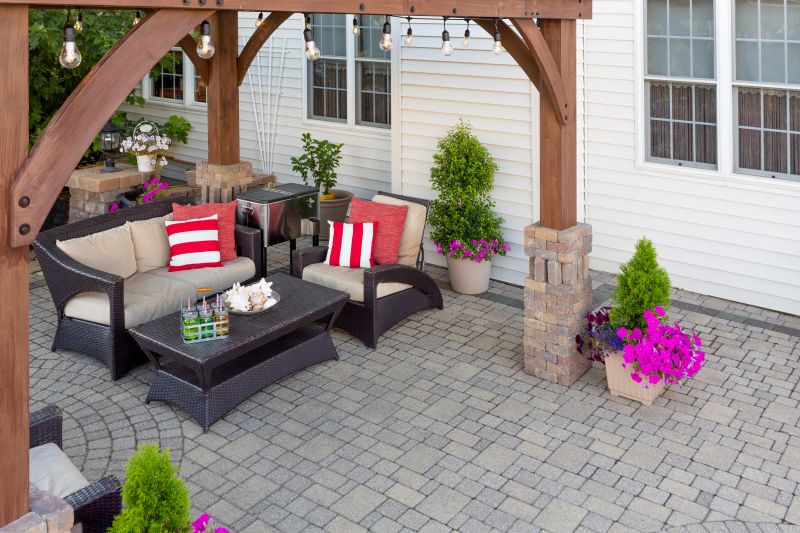
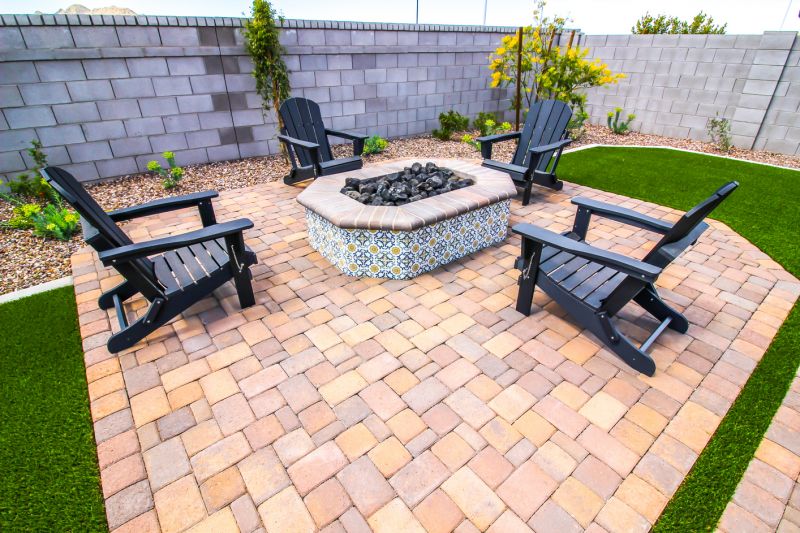
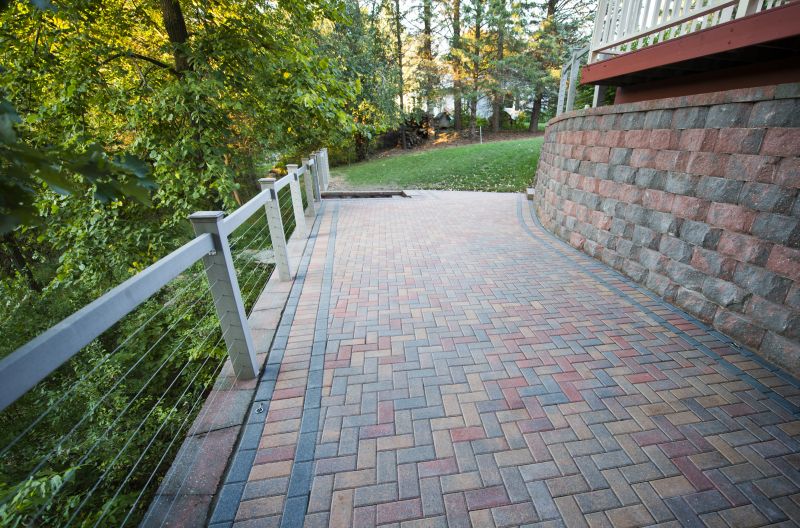
When homeowners search for signs it’s time to reseal your pavers, they’re often trying to determine whether their existing paving surfaces still have adequate protection and appearance. Pavers are a popular choice for driveways, patios, walkways, and pool decks because of their durability and visual appeal. Over time, exposure to weather, foot traffic, and regular use can cause the protective sealant to wear down, leading to issues like staining, color fading, and surface deterioration. Recognizing these signs early helps prevent more costly repairs and keeps outdoor spaces looking their best. Local contractors who specialize in paver resealing can assess the condition of existing sealant, recommend the right timing for resealing, and ensure the job is done properly to maintain the integrity of the surface.
The decision to reseal pavers often relates to specific problems or project plans that homeowners undertake to preserve or improve their outdoor areas. Common issues include the appearance of stubborn stains that don’t come clean with regular cleaning, or a surface that has lost its original color vibrancy. Cracks, loose pavers, or uneven surfaces can also signal that the protective layer has degraded, making the area more vulnerable to further damage. Additionally, some property owners plan to update or refresh their landscape design, and resealing can be part of a broader renovation effort. Local service providers can help identify these signs and advise on whether resealing is a suitable step to extend the lifespan and aesthetic appeal of paver installations.
Properties that typically come up in discussions about paver resealing include residential homes, commercial properties, and public spaces with paved surfaces. In residential settings, driveways and backyard patios are common areas where homeowners notice signs of wear and seek resealing services. Commercial properties like storefront entrances, restaurant patios, and community parks also require regular maintenance to keep their paved areas safe and attractive. These properties often experience high foot or vehicle traffic, which accelerates the need for resealing to prevent surface damage. Local contractors experienced in paver sealing understand the specific needs of different property types and can tailor their services to ensure the longevity and visual appeal of each space.
Understanding when it’s time to reseal pavers connects directly to ongoing property maintenance and aesthetic goals. Homeowners and property managers should regularly inspect their paved surfaces for signs of wear, such as a dull appearance, staining, or loose pavers. By catching these issues early, it’s possible to restore the surface’s original look and protect it from further damage. Local paver resealing professionals play a key role in this process by providing expert assessments and quality application of sealants that enhance durability and appearance. Whether for routine upkeep or preparing for a renovation project, connecting with experienced service providers ensures that paver surfaces are properly maintained and protected for years to come.
Concrete sealing projects - sealing concrete surfaces requires similar surface preparation and application techniques as paver resealing, making local contractors skilled in both tasks valuable for maintaining durability and appearance.
Driveway restoration services - restoring and sealing driveways involves assessing surface condition and applying protective coatings, aligning closely with the skills used in paver resealing to prevent damage and enhance longevity.
Patio and outdoor surface sealing - sealing various outdoor surfaces, such as stone or brick patios, shares planning and surface treatment methods with paver resealing to protect against wear and weathering.
Stone and brick cleaning services - cleaning stone and brick surfaces prepares them for resealing, requiring similar tools and techniques that local service providers use to ensure a proper seal and finish.
Landscape hardscape installation - installing hardscape features like walkways or retaining walls involves surface preparation and sealing, which are skills directly applicable to paver resealing projects.
Surface repair and crack filling - repairing surface damages and filling cracks are often necessary before resealing, utilizing comparable skills in surface assessment and repair techniques by local contractors.
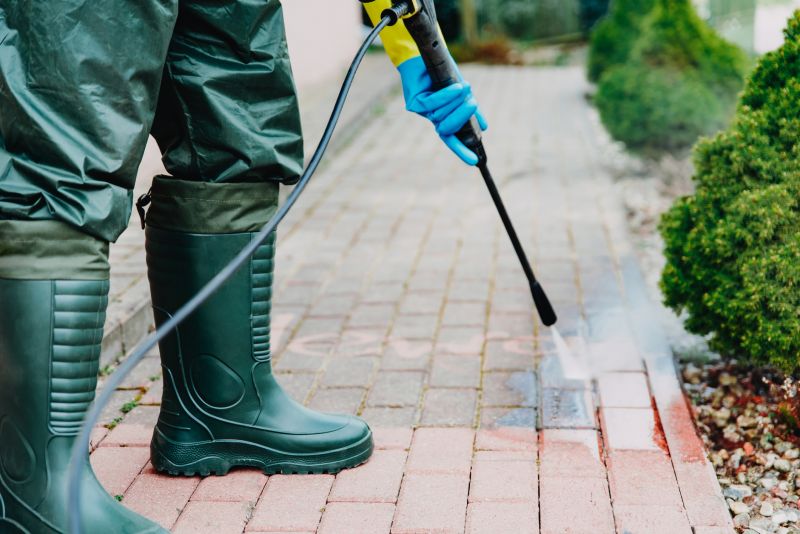
When comparing service providers for paver resealing, it’s important to consider their experience with similar projects. Homeowners should look for local contractors who have a track record of successfully handling paver sealing jobs comparable in scope and style. An experienced professional will understand the nuances of different paver materials and conditions, which can influence the quality and longevity of the resealing work. Asking about previous projects or requesting examples of completed work can help gauge whether a contractor’s expertise aligns with the specific needs of the homeowner’s property.
Clear, written expectations are essential when selecting a paver resealing service. Homeowners should seek providers who can offer a detailed scope of work, outlining the steps involved, the materials used, and the anticipated results. Having this information in writing helps prevent misunderstandings and ensures all parties are aligned on the project’s goals. It’s also beneficial to inquire about warranties or guarantees, which can provide added confidence in the quality of the work and the contractor’s commitment to customer satisfaction.
Reputable references and good communication are key indicators of a reliable service provider. Homeowners should ask for references or reviews from previous clients to gain insights into the contractor’s professionalism, reliability, and quality of work. Additionally, clear and responsive communication throughout the inquiry process can signal how well the contractor will coordinate and address questions or concerns during the project. Choosing a local contractor who demonstrates transparency and attentiveness can contribute to a smoother experience and a successful paver resealing job.
Property owners often search for signs it’s time to reseal your pavers when they are planning practical projects around their homes and businesses. Local pros provide Paver Resealing services for everyday jobs and straightforward project options.
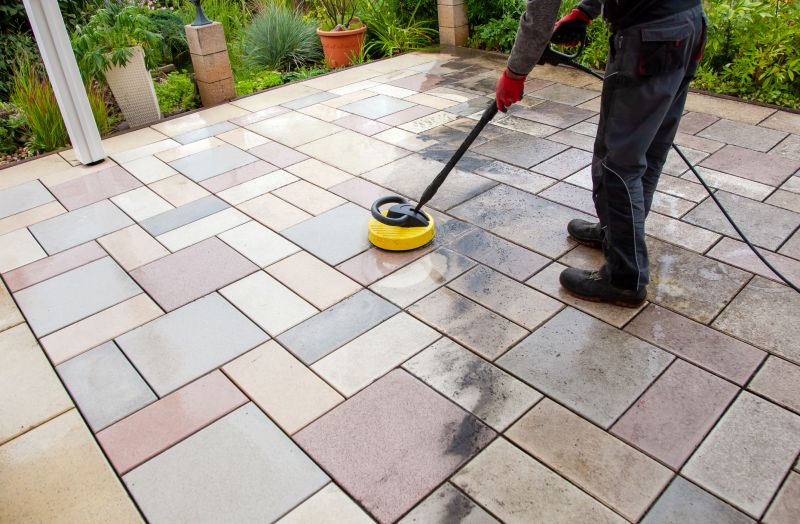
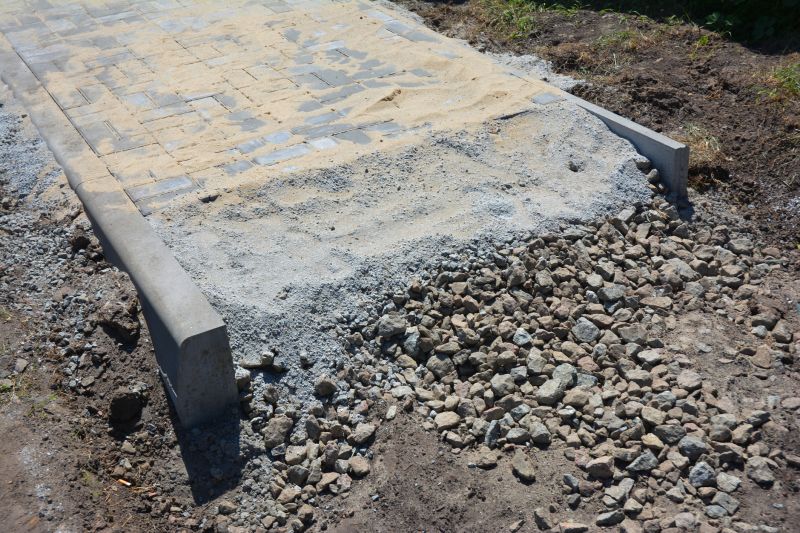
Property owners in the area often notice signs that it’s time to reseal their pavers when the surface begins to look dull or faded, especially after years of exposure to sun and weather. Cracks, chips, or areas where the color appears uneven can also indicate that the protective seal has worn down, leaving the pavers more vulnerable to damage. When these visual cues appear, many choose to explore paver resealing services offered by local contractors to restore the appearance and protect the investment in their outdoor spaces.
Additionally, homeowners may find that their pavers are more prone to staining or weed growth in the joints, which can be a sign that the sealant is no longer effective. If water no longer beads on the surface or if moss and algae start to develop, it may be time to consider professional resealing. Local service providers can assess the condition of the pavers and recommend the appropriate treatment to help maintain their durability and appearance over time.
What visual signs indicate it’s time to reseal pavers? Cracks, discoloration, or a worn appearance on the surface may suggest the need for resealing, and local contractors can assess the condition of your pavers to recommend appropriate action.
How does weather affect the timing for resealing pavers? Exposure to rain, snow, or harsh sunlight can accelerate wear, making it more likely that your pavers need resealing, which local service providers can evaluate during an inspection.
Are there any signs of water damage that suggest resealing is needed? Water pooling, efflorescence, or moss growth can indicate that the sealant has deteriorated, and local contractors can determine if resealing will help restore protection.
Can a dull or faded appearance mean it’s time to reseal pavers? Yes, loss of shine or color fading often signals that the sealant has worn off, and professionals can help restore the look with proper resealing services.
How do paver surface textures help identify the need for resealing? Rough or uneven textures, along with surface etching, can be signs of sealant breakdown, and local service providers can evaluate whether resealing is necessary to preserve the pavers.
Visible wear and discoloration - noticing fading or staining on pavers can indicate it’s time to reseal, and local contractors can restore their appearance.
Efflorescence or white deposits - the appearance of mineral deposits suggests the protective layer has deteriorated and needs renewal by experienced service providers.
Cracks or loose pavers - damage or shifting may be signs that the existing seal is compromised, and resealing can help reinforce the surface.
Water absorption or pooling - increased moisture penetration shows the sealant has worn away, and local pros can apply a new coat to protect the pavers.
If you are thinking about signs it’s time to reseal your pavers for a property, this guide is meant to help you understand this topic, the typical project types, and how different options might fit your plans.
When you are ready, you can use the quote form on this page to share a few details about your project. From there, local pros can review the basics and follow up with options that match what you have in mind.