Common Causes of Paver Shifting and Settling
Understanding common causes of paver shifting and settling helps homeowners know how local contractors can repair and stabilize their paver surfaces effectively.
Property owners who notice their pavers shifting, settling, or becoming uneven often seek to understand the common causes behind these issues. Recognizing why pavers move is an important step toward maintaining a safe, attractive outdoor space. Factors such as soil movement, improper installation, or inadequate base preparation can contribute to paver problems over time. Exploring these causes helps homeowners identify potential solutions and decide when professional paver repair services might be needed to restore stability and appearance.
Understanding the practical reasons behind paver shifting and settling can also guide property owners in preventing future issues. Local contractors who specialize in paver repair are equipped to address these common causes, whether through adjusting the base, replacing unstable materials, or ensuring proper installation techniques. Keeping informed about these factors encourages proactive maintenance and highlights the value of consulting experienced service providers to keep outdoor surfaces level and secure.
- Paver Repair - homeowners noticing uneven or cracked pavers may need repair services to address shifting caused by soil movement or improper installation.
- Paver Repair - when pavers begin to settle or sink, local contractors can evaluate underlying issues and restore stability through proper leveling techniques.
- Paver Repair - signs of loose or wobbly pavers often indicate shifting due to freeze-thaw cycles or poor base preparation, which local service providers can correct.
- Paver Repair - pavers that are uneven or separated can be restored by local pros who specialize in fixing issues related to soil erosion or drainage problems.
- Paver Repair - persistent paver shifting caused by tree roots or ground movement can be addressed by experienced local contractors to prevent further damage.
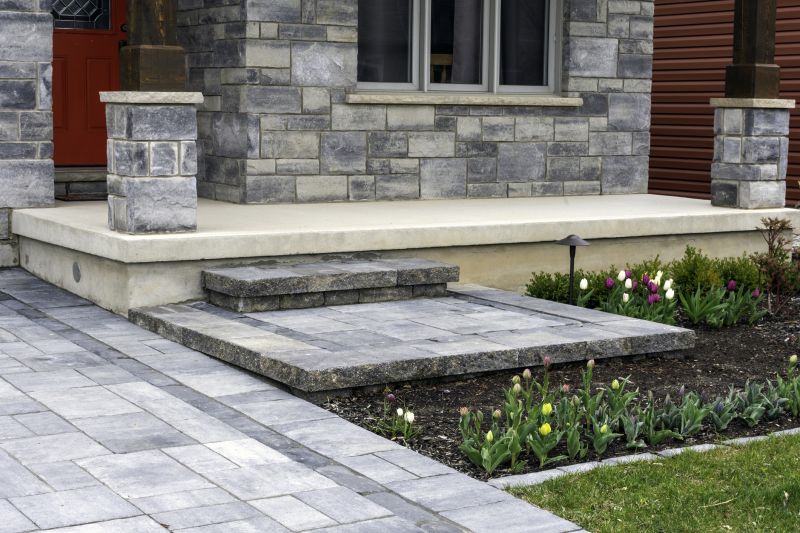
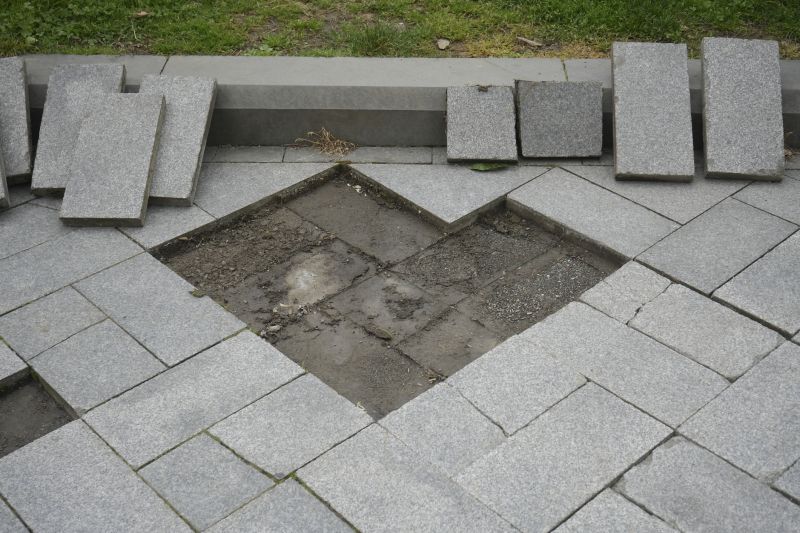
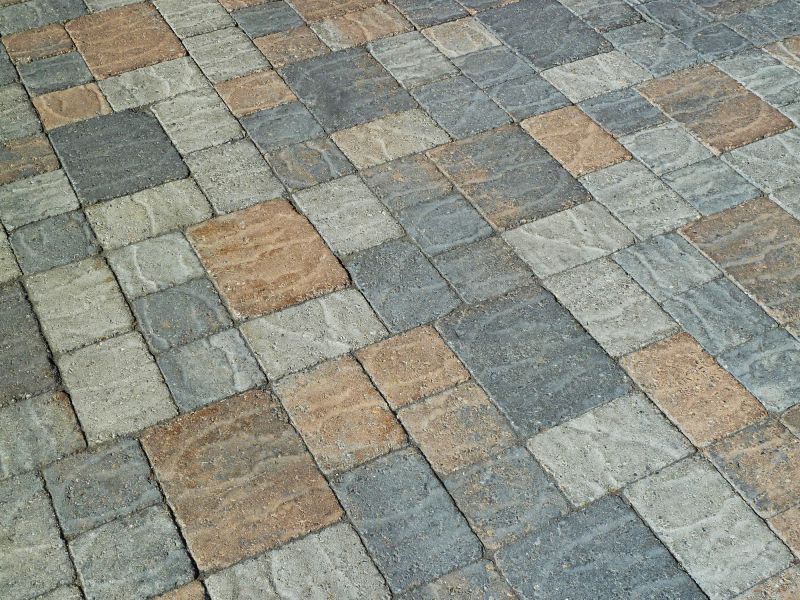
When homeowners search for information on common causes of paver shifting and settling, they are typically concerned about issues affecting the stability and appearance of their paved surfaces. These problems often surface in driveways, walkways, patios, or pool decks, where uneven or sunken pavers can create safety hazards and diminish curb appeal. Such shifts may be noticeable as gaps, uneven surfaces, or cracking, prompting property owners to seek explanations and solutions. Understanding what leads to paver movement helps homeowners plan repairs and prevent further damage, making this topic a key part of maintaining or upgrading outdoor spaces.
The causes of paver shifting and settling are often linked to underlying problems with the foundation or environment. Poor base preparation is a common culprit, where the subgrade beneath the pavers was not properly compacted or stabilized before installation. Over time, this can lead to uneven settling as the soil beneath shifts or erodes. Additionally, changes in moisture levels-caused by heavy rainfall, poor drainage, or irrigation-can weaken the soil, resulting in pavers sinking or shifting out of place. Heavy loads from vehicles or furniture can also exert pressure on the surface, especially if the base is compromised, leading to movement or cracking.
Certain types of properties tend to experience these issues more frequently. Residential homes with expansive clay soils are prone to shifting because the soil expands when wet and contracts when dry, causing pavers to move. Properties located in areas with high rainfall or poor drainage are also susceptible, as excess water can undermine the stability of the base layer. Commercial properties with frequent vehicle traffic or heavy equipment may see more rapid or severe settling if the paver installation was not designed to support such loads. Recognizing these property types helps homeowners understand the specific factors that might contribute to paver problems and highlights the importance of professional assessment and repair.
Local service providers specializing in paver repair are well-equipped to diagnose the root causes of shifting and settling. They evaluate the condition of the existing base, drainage, and soil conditions to determine why the pavers are moving. Once the cause is identified, these pros can recommend appropriate solutions, such as removing and replacing the base, installing proper drainage systems, or re-leveling the pavers. Engaging experienced contractors ensures that repairs address the underlying issues, helping to restore stability and prevent future problems. For property owners facing shifting or sinking pavers, connecting with local pros provides a practical step toward maintaining a safe, attractive outdoor space.
Landscape Design Projects - These projects often involve planning and installing hardscape elements similar to paver installation, requiring knowledge of soil conditions and proper base preparation to prevent shifting.
Driveway and Walkway Construction - Building durable driveways and walkways involves understanding foundation stability, which is essential for addressing paver settling issues caused by ground movement.
Patio and Outdoor Living Space Projects - Creating functional outdoor spaces with pavers demands skills in site grading and base compaction, helping to minimize common causes of paver shifting and settling.
Retaining Wall Installation - Installing retaining walls involves managing soil pressure and drainage, which are critical factors in preventing paver movement and settlement problems.
Drainage System Installations - Proper drainage solutions are vital for controlling water flow around paved areas, reducing the risk of erosion and shifting caused by water-related issues.
Soil Stabilization and Grading Projects - These projects focus on ensuring soil stability and proper leveling, directly addressing root causes of paver shifting and settling.
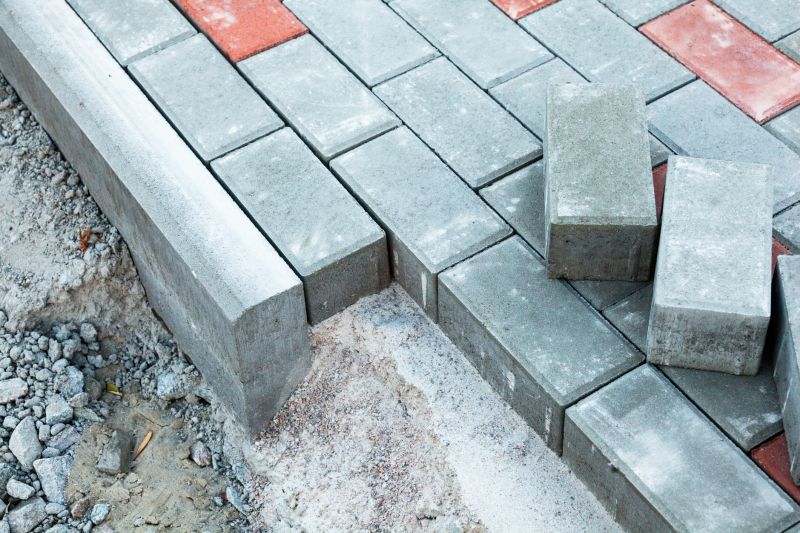
When evaluating potential service providers for paver repair, it’s important to consider their experience with similar projects. Homeowners should inquire about the contractor’s background in addressing common causes of paver shifting and settling, such as soil movement, improper base preparation, or drainage issues. Contractors with a proven track record in handling these specific problems are more likely to have the knowledge and skills necessary to deliver effective solutions. Reviewing their portfolio or asking for references related to previous paver repair work can provide insight into their familiarity with these issues and their ability to manage projects of similar scope and complexity.
Clear written expectations are essential to ensure that both parties understand the scope of work, the process involved, and the desired outcomes. Homeowners should seek service providers who can articulate their approach to diagnosing the causes of paver shifting and settling, as well as the steps involved in repair or stabilization. A detailed, written plan helps prevent misunderstandings and provides a basis for evaluating the quality of work. When discussing options, it’s beneficial to ask service providers to outline what will be done, how long the project will take, and what materials or techniques will be used, fostering transparency and confidence in the chosen contractor.
Reputable references and good communication are key factors in selecting a reliable contractor. Homeowners should look for service providers who can provide references from previous clients, especially those who had similar issues with paver shifting or settling. These references can offer valuable insights into the contractor’s professionalism, reliability, and ability to resolve common causes of paver problems. Additionally, effective communication-such as responsiveness, clarity in explanations, and willingness to answer questions-can make the repair process smoother and more predictable. Choosing a contractor who demonstrates these qualities can help ensure the project is completed to satisfaction and that any concerns are addressed promptly.
Property owners often search for common causes of paver shifting and settling when they are planning practical projects around their homes and businesses. Local pros provide Paver Repair services for everyday jobs and straightforward project options.
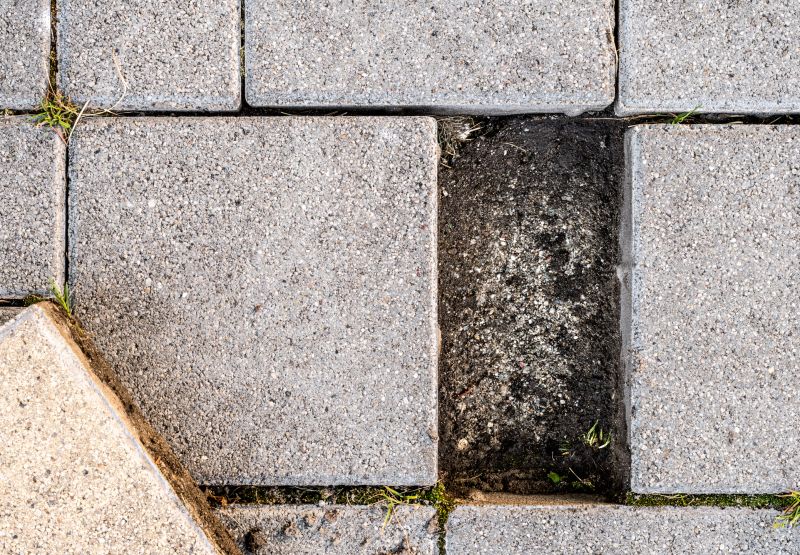
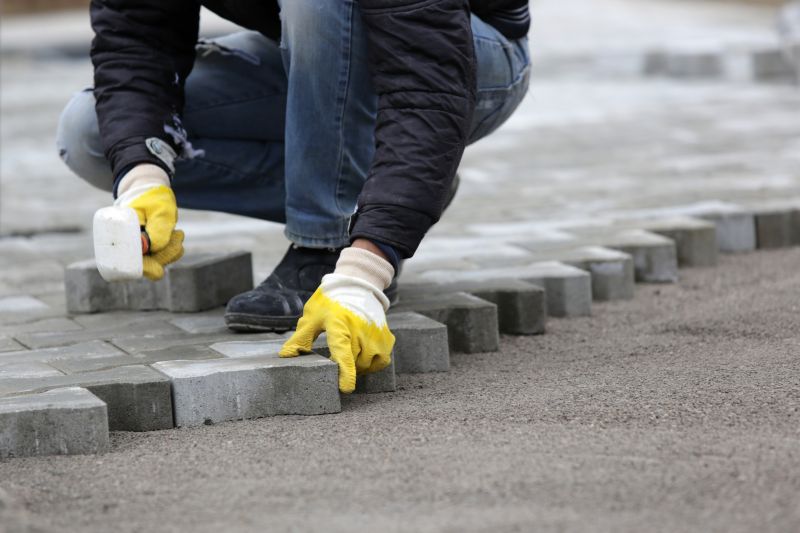
Many property owners in the area notice paver shifting and settling after periods of heavy rainfall or consistent watering. Excess moisture can weaken the soil beneath the pavers, causing them to shift or sink over time. Additionally, improper installation methods, such as inadequate base preparation or insufficient joint filling, can lead to instability. When pavers are not laid on a solid, well-compacted foundation, everyday stresses like foot traffic or minor ground movements can result in uneven surfaces and uneven gaps.
Other common causes of paver shifting and settling include natural ground movement due to soil expansion and contraction, especially in areas with clay-rich soil. Heavy loads from vehicles or outdoor furniture can also exert pressure on the paver surface, leading to displacement if the base isn't properly reinforced. Property owners noticing these issues might consider reaching out to local contractors who specialize in paver repair services. These service providers can assess the underlying causes and recommend appropriate solutions to restore the surface’s stability and appearance.
What are some common causes of paver shifting and settling? Common causes include soil movement, poor base preparation, and inadequate drainage, which can lead to uneven paver surfaces. Local contractors experienced in paver repair can assess and address these issues effectively.
How does soil instability contribute to paver problems? Soil instability, such as shifting or settling soil beneath the pavers, can cause them to move or sink over time. Skilled service providers can stabilize the soil and restore the paver surface.
Can improper installation lead to paver shifting? Yes, improper base compaction, insufficient joint sand, or incorrect paver placement during installation can cause shifting and settling. Local pros can identify and correct installation-related issues.
What role does drainage play in paver shifting and settling? Poor drainage can lead to water accumulation beneath the pavers, weakening the base and causing movement. Experienced contractors can improve drainage to prevent future problems.
How can local service providers help fix shifting and settling pavers? They can evaluate the underlying causes, stabilize the soil, re-level the pavers, and improve base and drainage systems to ensure a durable, even surface.
Soil instability - property owners can assess drainage and soil conditions to prevent shifting, with local contractors providing stabilization solutions.
Paver installation errors - ensuring proper base preparation and joint filling can reduce settling, and local pros can help with correct installation techniques.
Tree roots and vegetation - removing invasive roots near paver areas can prevent lifting, with local service providers offering root barrier installation.
Heavy loads and traffic - limiting weight on paver surfaces and consulting local pros for reinforcement can minimize shifting caused by excessive pressure.
If you are thinking about common causes of paver shifting and settling for a property, this guide is meant to help you understand this topic, the typical project types, and how different options might fit your plans.
When you are ready, you can use the quote form on this page to share a few details about your project. From there, local pros can review the basics and follow up with options that match what you have in mind.